The Trick Shot Economy
How 30-Second Videos Broke Capitalism

Gagan Malik
Tuesday, October 21, 2025
2 min read
OPINIONS
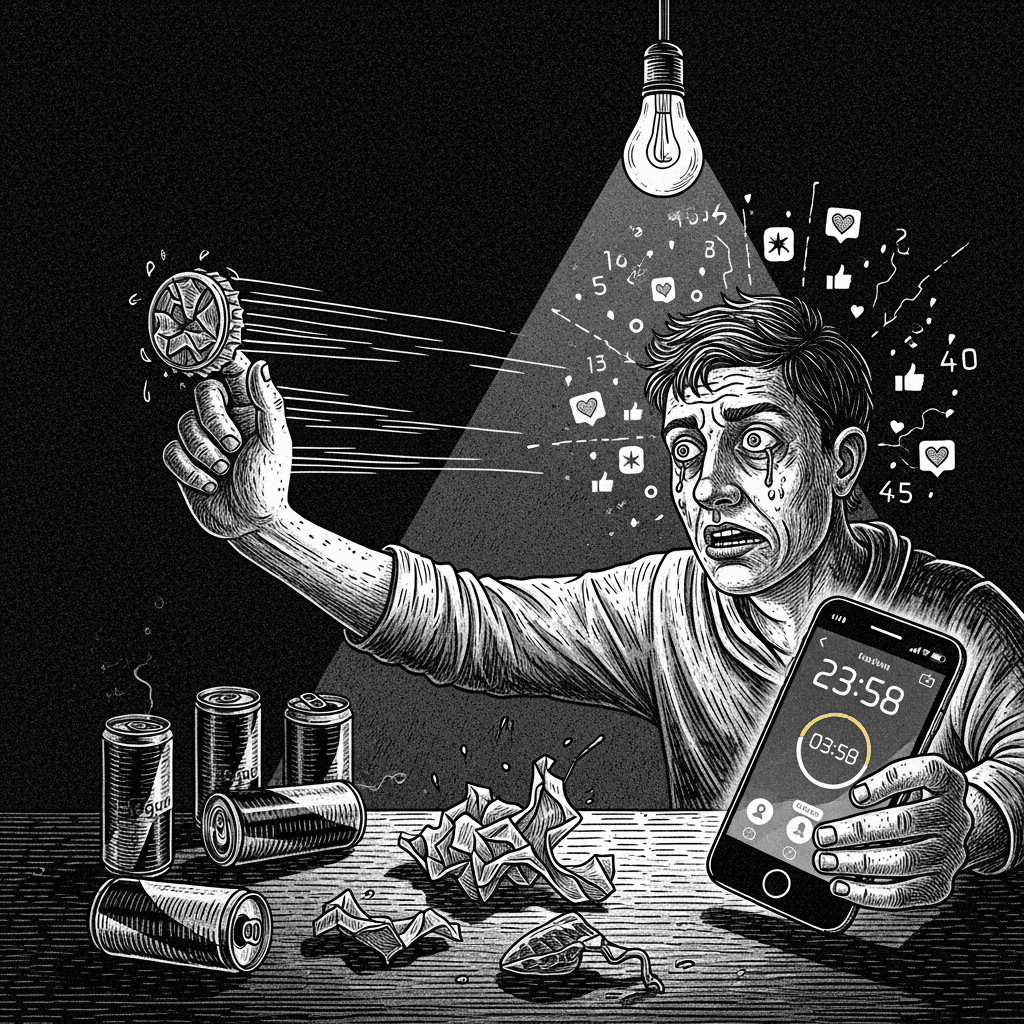
We've Weaponised Boredom Into Billion-Dollar Business Models
Here's the contrarian truth everyone knows but won't admit: trick shot videos aren't entertainment, they are an economic infrastructure. While traditional media is haemorrhaging revenue, creators bouncing balls into cups are building empires. One TikTok trick shot compilation hit 150 million views, while major network primetime shows celebrate 10 million. The attention economy, now worth over $250 billion, has inverted our understanding of value creation. We're not watching content; we're funding the world's most expensive dopamine distribution network.
The Mathematics of Manufactured Wonder
The Billion-View Bounce House
YouTube Shorts generate more daily views than Netflix, Hulu, and Disney+ combined. Trixshot, one creator bouncing balls in his basement, pulls in $42,000-$125,900 monthly while traditional production companies slash budgets. It's like watching someone get rich selling tickets to watch paint dry, except the paint bounces first.
The 5.91% Attention Tax
YouTube Shorts maintain a 5.91% engagement rate—higher than most Fortune 500 companies' customer retention. Meanwhile, 76% of users say social media influenced recent purchases. We've created a system where watching someone fail at basketball 47 times generates more consumer behavior than a Super Bowl ad. Peak efficiency, if bankruptcy was the goal.
The Infinity Scroll Casino
Gen Z now uses social platforms more than search engines for information. We've replaced "How do I fix this?" with "Watch me break this spectacularly." It's Wikipedia meets circus sideshow, except the circus pays better and requires fewer qualifications.
My Doomscrolling Hole Education
I'll confess my own complicity in this economic absurdity. Last month, I spent 8 hours watching videos of people throwing things into other things. The irony wasn't lost on me: I literally wasted a whole productive day making money for someone else without getting paid.
But here's the broader hypocrisy: we mock these creators while funding their mortgages through our attention. Every 30 second video generates more revenue per minute than most people's actual jobs. We've built an economy where being professionally unemployable is the most employable skill. The joke's on us, and the punchline is someone else's pension plan.
The Coming Attention Apocalypse
By 2027, trick shot videos will outperform traditional advertising entirely. The creator economy is shifting from virality to utility, meaning these seemingly mindless videos are becoming our actual media infrastructure. Dude Perfect secured a nine-figure investment, proving venture capitalists understand what media executives missed: audiences prefer watching amateurs attempt impossible tasks over professionals delivering polished content.
My prediction? Within 18 months, every major brand will have a dedicated "impossibility marketing" budget. Instead of Super Bowl ads, we'll see Coca-Cola sponsoring someone trying to bounce a bottle cap into space. I'm already consulting three companies on "strategic failure content"—the most honest job description I've ever written.
Your Survival Guide to the Attention Circus
Stop fighting this economy and start understanding it. Create content that celebrates magnificent failure over manufactured success. Audiences crave authentic struggle more than polished outcomes. Document your attempts, not your achievements.
The house always wins eventually.