Plex just put a toll booth on your own hard drive and it won’t be the last
Why remote streaming crackdown signals peak subscription insanity, and challenges true self‑hosting freedom

Gagan Malik
Wednesday, November 26, 2025
5 min read
OPINIONS
Here is a truth that no one in Silicon Valley wants to say aloud: the moment a company starts moving free features behind a paywall, they have already lost the plot. They are not building a business. They are strip-mining a user base.
This week, Plex began enforcing its crackdown on free remote streaming access, starting with the Roku app. By 2026, every TV platform from Fire TV to Apple TV will require users to cough up either a Plex Pass at $7 monthly or the new "Remote Watch Pass" at $2 monthly just to access their own content, stored on their own hardware, streaming over their own internet connection.
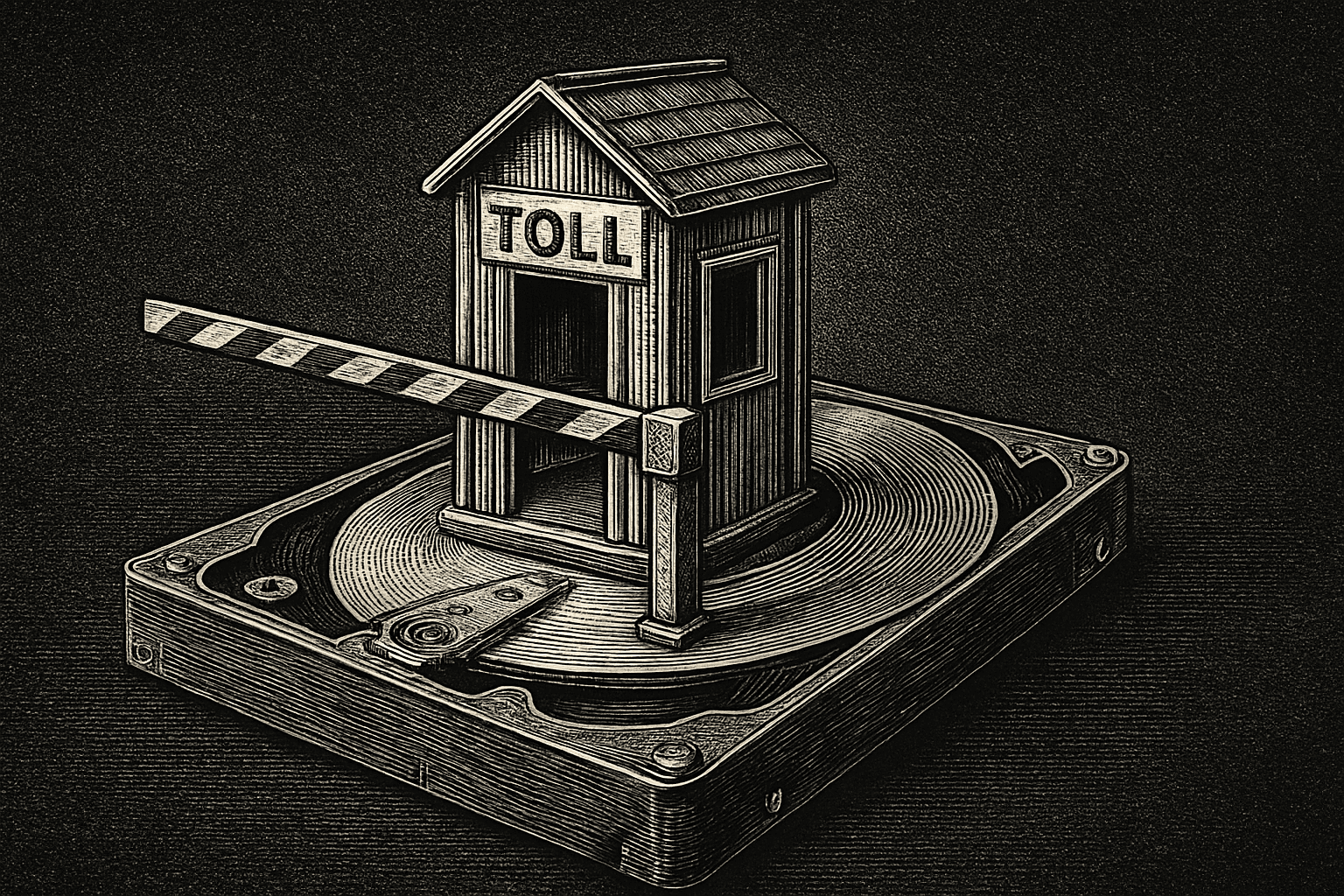
Read that again. Your media. Your server. Their toll booth.
The Quiet Pivot Nobody Asked For
I have been a Plex user for nearly a decade. I recommended it to family members in Delhi, to mates in London, to anyone who asked how to escape the subscription hellscape of Netflix, Disney Plus, and whatever streaming orphan Paramount is spinning off this quarter. Plex was the answer. Host your own stuff. Control your own library. Tell the algorithm to do one.
And then Plex decided to become the very thing it once helped us escape.
The company announced in March that remote streaming would no longer be free, alongside a price hike that doubled the lifetime pass from $120 to $250. They removed the mobile app activation fee (a small mercy) whilst simultaneously paywalling the core value proposition that made Plex worth using in the first place.
The timing is exquisite. U.S. households now spend an average of $70 monthly on streaming services, up $22 from a year ago. Subscription fatigue is not a buzzword; it is a clinical condition. Sixty-three percent of UK streaming subscribers say they are willing to walk away from services. The average number of streaming subscriptions per household dropped from 4.1 to 2.9 between 2022 and 2023.
And into this exhausted, wallet-drained market, Plex has decided to add another recurring charge. Bold strategy.
Follow the Money, Find the Mess
Here is where the numbers get uncomfortable. Plex raised $40 million in January 2024, its latest in $121 million total funding. Their ad-supported streaming revenue grew 45 percent in 2023, and overall business grew 30 percent. CEO Keith Valory promised profitability by end of 2024 or early 2025.
But here is the quiet part: Plex now has more monthly active users watching their free ad-supported streaming service than using their media server features. Sixteen million monthly active streaming users as of 2023. The hobbyists who built Plex's reputation are no longer the priority. They are the legacy product.
This is textbook enshittification, the term Cory Doctorow coined to describe how platforms first attract users, then exploit users to benefit business customers, then exploit everyone to maximise profit. Plex is somewhere between stages two and three.
The Jellyfin Question
Naturally, every Plex forum thread now contains the same three words: "Just use Jellyfin."
Jellyfin is the open-source alternative that has been gaining traction precisely because of moments like this. It is completely free. No subscriptions. No data collection. No corporate overlord deciding that your library access needs monetising.
But let me save you some romantic delusion: Jellyfin requires technical knowledge that most people do not have. Remote access typically means configuring a VPN or mesh network like Tailscale. The client apps lack polish. If you are sharing your server with a technophobic parent who struggles to find the "input" button on the telly, Jellyfin is going to generate more support calls than a BT helpdesk.
Plex knows this. Their moat is not technology. It is convenience. They are betting that the friction of alternatives will keep you paying.
They might be right. That is what makes this so infuriating.
The Real Lesson Here
I have made this mistake myself. Years ago, I backed a hardware startup that promised "lifetime access" to their platform. Two years later, they soft-launched a premium tier and slowly migrated features behind it. The lifetime promise became a lifetime of watching your product get hollowed out.
The pattern is always the same. Free to freemium to full monetisation. The enshittification playbook does not have chapters; it has quarterly earnings calls.
What Plex is teaching us, again, is that any platform you do not control will eventually optimise against your interests. Not because the founders are evil. Because venture capital has a return timeline and your convenience does not appear on the P&L.
The solution is not to rage-quit to Jellyfin (though do learn it). The solution is to stop treating any cloud-dependent service as permanent infrastructure for your digital life. Build exit ramps. Keep local backups. Assume every "lifetime" promise expires when the Series D closes.
What Happens Next
Plex will likely see a short-term revenue bump. Lifetime pass holders are protected. New subscribers will grumble and pay. The Reddit threads will go quiet in six months.
But the brand damage is real. Every tech-savvy user who recommended Plex is now reconsidering that recommendation. Every server operator who shared access with family is now explaining why Grandma needs a $2 monthly subscription to watch home videos.
The streaming wars taught us that fragmenting content across a dozen services makes everyone worse off. Plex just fragmented access to content you already own.
That is not a business model. That is a shakedown in software form.